



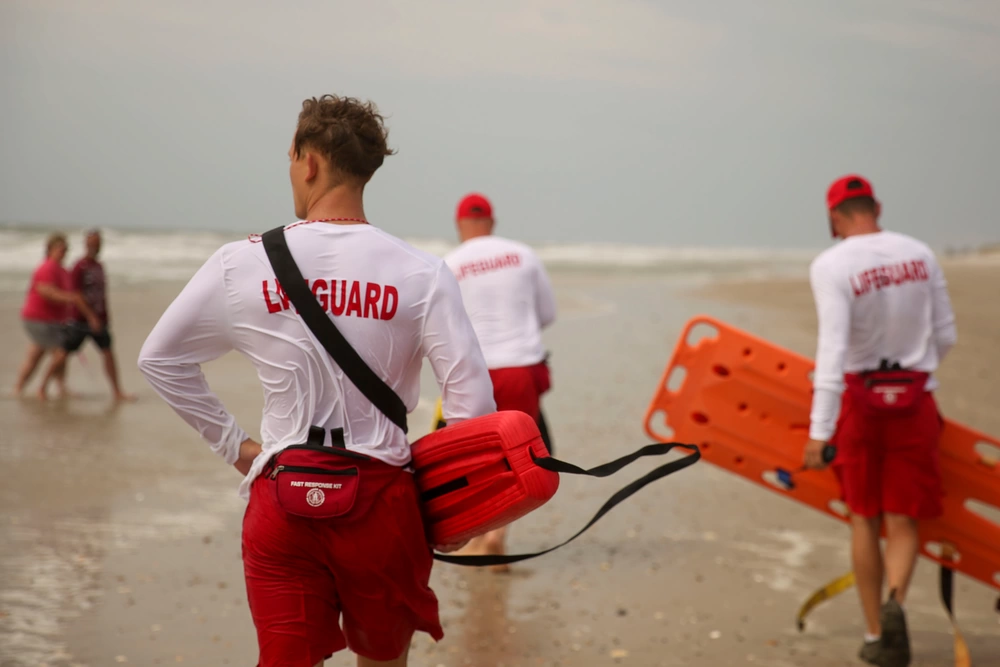
Aquatic emergencies can happen without warning. A swimmer may struggle, a guest may suffer a sudden medical emergency, or an accident may occur near the pool. Lifeguards must recognize these situations and respond quickly.
Effective Lifeguard Emergency Response requires more than swimming ability. It also depends on preparation, communication, teamwork, and knowledge of emergency procedures.
Understanding these responsibilities helps lifeguards stay prepared and provide appropriate care when an emergency occurs.
What Is Lifeguard Emergency Response?
Lifeguard emergency response includes the actions taken to recognize danger, assist a person in need, and manage an incident safely.
Key responsibilities include:
- Emergency recognition
- Quick assessment
- Water rescue
- Victim removal
- CPR and AED
- First Aid
- Team communication
- Incident reporting
Why Is an Emergency Action Plan Important?
An Emergency Action Plan (EAP) explains how staff should respond during an incident. Every lifeguard should understand their role before an emergency occurs.
Important EAP elements include:
- Emergency signals
- Staff responsibilities
- Rescue procedures
- EMS activation
- AED location
- First Aid equipment
- Pool evacuation
- Emergency access routes
How Should Lifeguards Respond to a Water Emergency?
A fast response starts with recognizing the problem and following the facility’s procedures. Lifeguards should use their training and avoid putting themselves or others at unnecessary risk.
Recognize the Situation
- Distressed swimmer
- Passive victim
- Submerged person
- Unresponsive swimmer
- Unsafe water conditions
- Medical emergency
Begin the Rescue
- Activate the EAP
- Alert nearby staff
- Select suitable rescue equipment
- Approach safely
- Support the victim
- Remove the victim from water
- Request additional help
When Should a Lifeguard Use CPR and an AED?
CPR and AED use may be necessary when a person is unresponsive and not breathing normally. Lifeguards should follow their training, current guidelines, and the facility’s emergency procedures.
Important skills include:
- Responsiveness assessment
- Emergency services activation
- CPR with breaths
- Chest compressions
- AED pad placement
- Following AED prompts
- Team coordination
- Continued monitoring
How Does Teamwork Improve Emergency Response?
Lifeguards often work with other staff during an emergency. Clear communication helps everyone understand their responsibilities.
Common team roles include:
- Primary rescuer
- CPR provider
- AED operator
- EMS caller
- Equipment assistant
- Crowd management
- Incident recorder
What Should Lifeguards Do During a Medical Emergency?
Not every aquatic emergency involves drowning. Guests may experience injuries or sudden illness inside the facility.
Common situations include:
- Cuts and bleeding
- Heat-related illness
- Seizures
- Allergic reactions
- Head injuries
- Breathing difficulties
- Cardiac emergencies
Lifeguards should assess the situation within their training, provide appropriate First Aid, and request medical assistance when needed.
How Can Lifeguards Prepare Before an Emergency?
Regular practice helps lifeguards remember procedures and respond with greater confidence. Preparation should continue throughout the working season.
Useful preparation activities include:
- EAP reviews
- Rescue skill practice
- CPR refreshers
- AED familiarization
- Equipment checks
- Team drills
- Communication practice
- Facility hazard inspections
Why Is Communication Important During an Emergency?
Clear instructions help staff coordinate their actions and reduce confusion. Lifeguards should communicate calmly and share relevant information with responders.
Essential communication tasks include:
- Calling for assistance
- Giving clear instructions
- Assigning staff roles
- Directing EMS
- Updating supervisors
- Sharing incident details
What Happens After an Aquatic Emergency?
Care and safety responsibilities continue after the immediate danger has passed. Staff should follow facility procedures and support the handover to emergency responders.
Important post-incident tasks include:
- Continued victim care
- EMS handover
- Incident documentation
- Equipment replacement
- Hazard assessment
- Supervisor notification
- Procedure review
How Does ALA Lifeguard Training Support Emergency Readiness?
The American Lifeguard Association (ALA) includes lifeguarding, water rescue, CPR/AED, and First Aid within its certification pathway. These skills help candidates prepare for the responsibilities of aquatic safety.
Key training areas include:
- Water rescue skills
- Victim recognition
- Emergency procedures
- CPR/AED training
- First Aid
- Injury prevention
- Team communication
- Emergency preparedness
ALA certification is one part of preparation. Lifeguards should also complete facility-specific orientation, learn the local EAP, and maintain their skills through regular practice.
How Can Lifeguards Prevent Emergencies Before They Happen?
Prevention is an important part of aquatic safety. Lifeguards should stay alert and identify hazards before they lead to injuries.
- Pool area inspections
- Water condition checks
- Clear safety rules
- Swimmer behavior monitoring
- Hazard identification
- Proper safety signage
- Equipment inspections
- Early intervention
What Common Mistakes Should Lifeguards Avoid?
Small mistakes can delay an emergency response. Regular practice and clear procedures help lifeguards stay prepared.
- Delayed recognition
- Poor communication
- Ignoring safety procedures
- Incorrect equipment use
- Unclear team roles
- Distractions on duty
- Incomplete incident reports
- Skipping skill practice
How Can Lifeguards Maintain Their Emergency Skills?
Emergency skills need regular practice. Lifeguards should follow their training requirements and keep their knowledge current.
- CPR/AED practice
- Rescue technique reviews
- First Aid refreshers
- Emergency scenario drills
- Equipment familiarization
- Team training
- Certification updates
- Instructor feedback
Why Is Accurate Incident Reporting Important?
Incident reports help facilities record what happened and identify areas for improvement. Reports should be completed according to workplace procedures.
- Incident details
- Time and location
- Actions taken
- Injuries reported
- Emergency services involvement
- Witness information
- Equipment used
- Follow-up actions
Conclusion
Lifeguard emergency response depends on preparation, quick recognition, and appropriate action. Water rescue, CPR/AED skills, First Aid, and clear communication all play important roles in aquatic safety.
Regular training and emergency drills help lifeguards maintain their skills. By following established procedures and staying alert, lifeguards can respond more effectively when emergencies occur. The American Lifeguard Association provides lifeguard training and certification options that support essential aquatic safety skills.
