



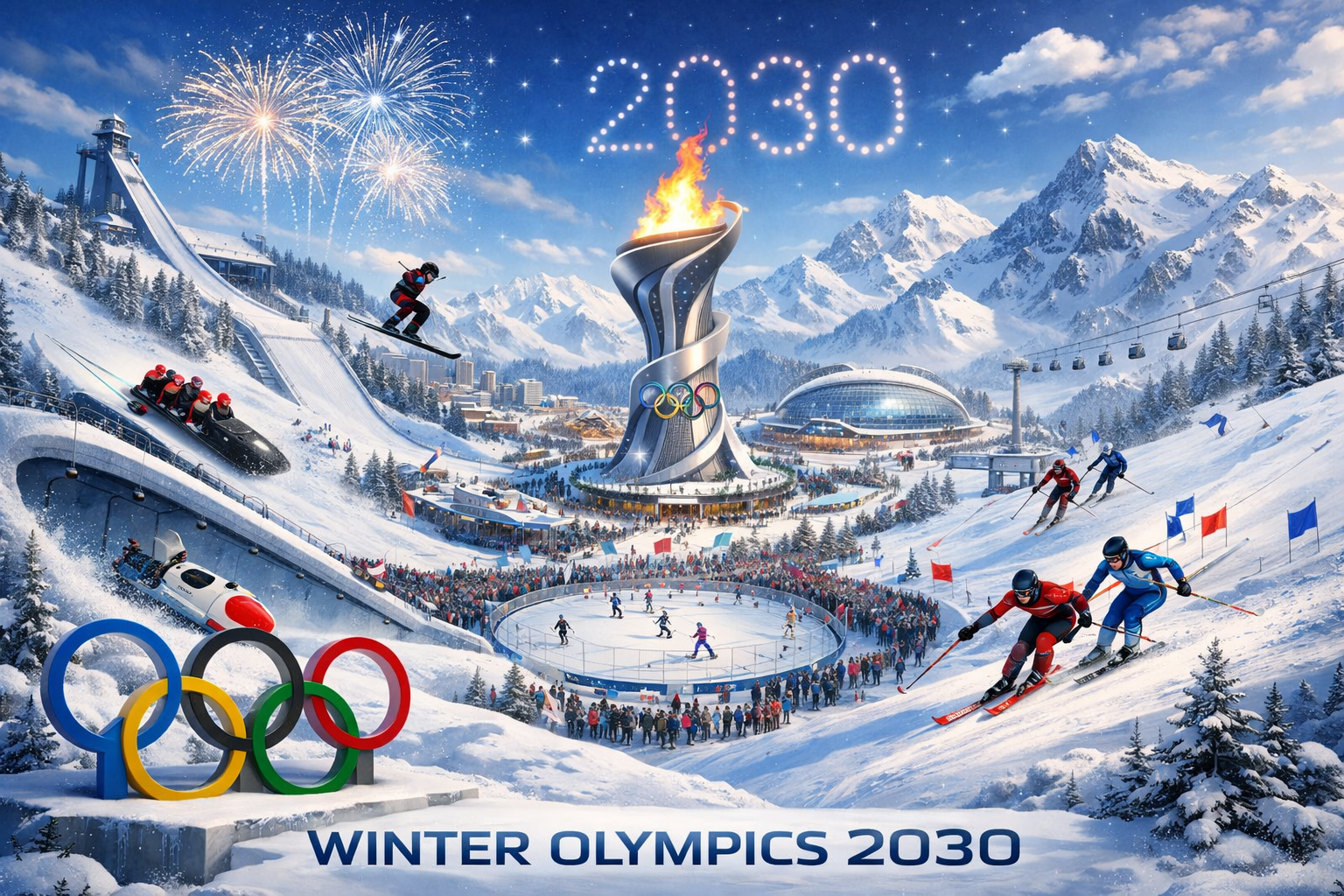
The winter olympic 2030 is already shaping up to be one of the most anticipated sporting events of the next decade. As the world continues to evolve socially, environmentally, and technologically, the Olympic movement is also transforming. From sustainability commitments to regional hosting models, the winter olympics 2030 represents more than just elite competition — it symbolizes the next chapter of global winter sports.
The Games are being organized under the leadership of the International Olympic Committee (IOC), which has increasingly focused on sustainability, cost control, and long-term legacy planning. The host region selected for the winter olympic 2030 is the French Alps, marking a major return of the Winter Games to France.
This in-depth guide explores the location, sports, venues, sustainability plans, athlete preparation, economic impact, political considerations, and global significance of the winter olympic 2030.
Winter Olympics 2030 Host Selection and Why the French Alps Were Chosen
The winter olympic 2030 will take place in the French Alps, a region already known worldwide for winter tourism, alpine skiing, and breathtaking mountain landscapes. The IOC selected this region because it already possesses much of the infrastructure required for winter sports competitions.
Unlike previous bidding processes that required expensive new construction, the winter olympic 2030 emphasizes a “reuse and renovate” strategy. Existing ski resorts, ice arenas, and transportation networks will be utilized and upgraded rather than built from scratch.
France has previously hosted Olympic Games, and the French Alps region itself has a long sporting history. By awarding the winter olympic 2030 to this region, the IOC continues its push toward cost-efficient and environmentally responsible hosting.
Winter Olympics 2030 and the Sustainability Vision
One of the defining themes of the winter olympic 2030 is sustainability. Climate change has significantly affected winter sports, with reduced snowfall and shorter seasons in many regions. Because of this, sustainability is no longer optional — it is central to the survival of winter competition.
The winter olympic 2030 sustainability plan focuses on:
- Minimizing new construction
- Using renewable energy sources
- Reducing carbon emissions
- Protecting alpine ecosystems
- Encouraging public transportation
The IOC’s Olympic Agenda reforms have heavily influenced the direction of the winter olympics 2030, aiming to ensure that host cities are not burdened with long-term debt or abandoned facilities.
Winter Olympics 2030 and the Sports Program
The winter olympic 2030 will feature traditional Winter Olympic sports along with potential updates reflecting modern trends. Core disciplines are expected to include:
- Alpine skiing
- Cross-country skiing
- Biathlon
- Figure skating
- Ice hockey
- Snowboarding
- Speed skating
- Freestyle skiing
- Curling
- Ski jumping
- Luge, bobsleigh, and skeleton
Recent Winter Games have introduced mixed-gender events and new freestyle competitions, and the winter olympic 2030 may continue this modernization.
The Games follow the upcoming 2026 Winter Olympics in Italy and build momentum toward a more balanced and inclusive Olympic sports program.
Winter Olympics 2030 and the Legacy of Previous French Games
France has a strong Olympic history. The country hosted the Winter Games in 1924 (Chamonix), 1968 (Grenoble), and 1992 (Albertville). The winter olympic 2030 builds on this legacy while adapting to modern expectations.
The French Alps already have high-quality ski infrastructure and a tourism industry built around winter sports. By leveraging existing venues, the winter olympic 2030 avoids many of the financial pitfalls seen in past mega-events.
Winter Olympics 2030 and Climate Challenges
A major discussion surrounding the winter olympic 2030 is climate reliability. Many former Winter Olympic host cities may no longer be viable by mid-century due to warming temperatures.
The French Alps were selected partly because of their altitude and relatively stable winter climate. However, climate adaptation strategies will still play a role, including artificial snow management and sustainable water use.
The winter olympic 2030 will likely serve as a test case for how winter sports can survive in a warming world.
Winter Olympics 2030 and Athlete Preparation
Elite athletes are already thinking ahead to the winter olympic 2030. Olympic preparation cycles span many years, with young competitors beginning training long before qualification events.
National federations are investing heavily in:
- High-performance training centers
- Advanced analytics
- Sports science innovation
- Injury prevention technology
For many athletes, the winter olympic 2030 represents the pinnacle of their careers.
Winter Olympics 2030 and Technological Innovation
Technology will significantly shape the winter olympic 2030 experience for both athletes and fans. Innovations expected to influence the Games include:
- Advanced broadcast technologies
- Enhanced virtual viewing experiences
- Real-time athlete performance tracking
- AI-powered judging support systems
Olympic broadcasting has evolved dramatically over the decades, and the winter olympic 2030 will likely push immersive viewing experiences even further.
Winter Olympics 2030 and Economic Impact
Hosting the winter olympic 2030 brings both opportunities and risks. Economically, the Games can boost tourism, infrastructure investment, and global visibility.
Potential benefits include:
- Increased winter tourism
- Job creation
- Infrastructure modernization
- Regional branding
However, cost control remains essential. The IOC has restructured hosting models to reduce financial strain on host regions.
Winter Olympics 2030 and Global Political Context
Major sporting events often exist within broader political landscapes. The winter olympic 2030 will occur during a time of geopolitical shifts, economic transitions, and environmental debates.
The Olympics traditionally promote peace and international cooperation. Whether this spirit can overcome global tensions remains a key question for the winter olympic 2030.
Winter Olympics 2030 and Youth Engagement
One strategic goal of the Olympic movement is connecting with younger audiences. The winter olympic 2030 may feature youth-focused sports formats, digital integration, and athlete storytelling campaigns.
Engagement strategies include:
- Social media-driven athlete branding
- Esports collaborations
- Interactive fan experiences
- Digital ticketing innovations
Maintaining relevance among younger generations is critical for the long-term future of the Games.
Winter Olympics 2030 and Gender Equality Progress
Recent Olympic reforms have emphasized gender balance. The winter olympics 2030 is expected to maintain near-equal participation between men and women.
Mixed-team events have become increasingly popular, and more equal medal opportunities ensure fairness across disciplines.
Winter Olympics 2030 and Infrastructure Planning
Unlike previous Games that required large-scale construction, the winter olympics 2030 prioritizes existing infrastructure. This approach reduces costs and environmental disruption.
Transportation networks connecting Alpine communities will be upgraded, improving long-term regional accessibility beyond the Games.
Winter Olympics 2030 and Tourism Growth
Tourism is one of the most immediate benefits of hosting the winter olympics 2030. Global media coverage introduces the French Alps to new audiences.
Long-term tourism growth often depends on how effectively the region markets itself after the Games conclude.
Winter Olympics 2030 and Environmental Accountability
Environmental advocacy groups are closely monitoring the winter olympics 2030. Alpine ecosystems are fragile, and development must be carefully managed.
Sustainable planning aims to ensure that the winter olympics 2030 enhances, rather than harms, the natural landscape.
Winter Olympics 2030 and Security Planning
Large international events require detailed security operations. The winter olympics 2030 will involve coordination between national and international agencies to ensure athlete and spectator safety.
Security planning includes:
- Cybersecurity protection
- Crowd management systems
- Emergency preparedness
Winter Olympics 2030 and Global Media Coverage
Billions of viewers are expected to watch the winter olympics 2030. Broadcast partnerships and streaming platforms will expand the reach of winter sports worldwide.
The Games follow the global momentum of Paris 2024 and precede Los Angeles 2028, positioning France once again at the center of international sporting attention.
Winter Olympics 2030 and Athlete Stories That Inspire
Behind every medal at the winter olympics 2030 will be years of sacrifice, resilience, and dedication. Winter athletes often train in extreme conditions, balancing physical endurance with mental discipline.
The human stories emerging from the winter olympics 2030 will likely define its legacy more than medal counts.
Winter Olympics 2030 and Long-Term Olympic Reform
The winter olympics 2030 reflects ongoing Olympic reforms designed to make hosting more sustainable and flexible. The IOC now works collaboratively with regions rather than forcing expensive competitive bids.
This new model could redefine how future Winter Games are awarded.
Winter Olympics 2030 and the Future of Winter Sports
Perhaps the most important question surrounding the winter olympics 2030 is what it means for the future. As climate change challenges traditional winter sport locations, the Olympic movement must adapt.
The French Alps edition of the winter olympics 2030 could demonstrate a blueprint for survival: sustainability, regional collaboration, and environmental responsibility.
Final Thoughts on Winter Olympics 2030
The winter olympics 2030 is more than an upcoming sporting event. It is a symbol of adaptation in an era of climate awareness, economic caution, and technological transformation.
By hosting the Games in the French Alps and emphasizing sustainability, the IOC aims to protect the spirit of winter competition while acknowledging modern realities.
Athletes, fans, and nations will gather once again to celebrate excellence, unity, and perseverance. And as the world watches, the winter olympics 2030 may very well redefine what the Winter Games look like for generations to come.
READ MORE: NEWZTOP.CO.UK
