



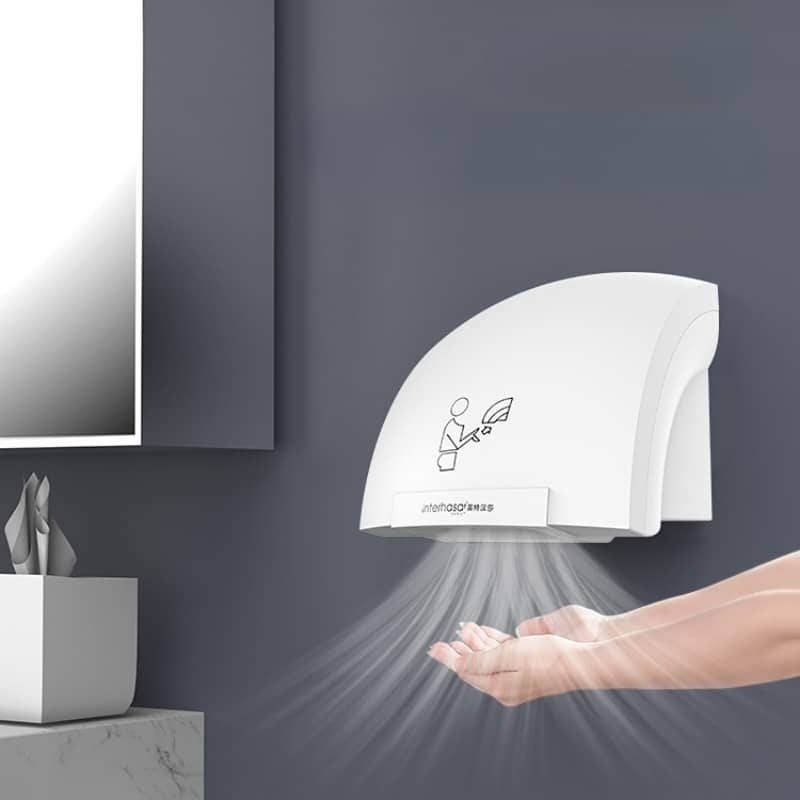
Hand dryers are now common in public and commercial washrooms. They provide a fast and convenient way to dry hands after washing. Businesses, hotels, hospitals, restaurants, airports, schools, and shopping centers use hand dryers to improve hygiene and reduce paper waste. As demand grows, many hand dryer manufacturers offer different models, technologies, and designs for various needs.
Choosing the right manufacturer is important because hand dryers can differ greatly in quality, drying speed, energy use, noise levels, and durability. A reliable manufacturer can provide products that perform well and last for years. This guide explains what hand dryer manufacturers do, the main types of dryers available, and the key factors to consider when selecting a supplier.
What Are Hand Dryer Manufacturers?
Hand dryer manufacturers are companies that design, produce, and supply electric hand drying equipment. Their products are designed for use in public and private washrooms. Manufacturers may produce basic push-button dryers, automatic sensor dryers, high-speed models, and premium commercial systems.
A professional manufacturer usually focuses on product design, materials, electrical safety, motor performance, and energy efficiency. Some manufacturers also provide installation instructions, replacement parts, technical support, and warranty services. Choosing an experienced supplier can make it easier to find a suitable product for your specific environment.
Why Are Hand Dryers Important?
Hand dryers offer a practical alternative to traditional paper towels. They can help businesses reduce the ongoing cost of purchasing, storing, and disposing of paper products. They also eliminate the need for large paper towel bins in busy washrooms.
Modern dryers can dry hands within a short period, depending on the model and technology. Automatic sensors can also reduce the need for users to touch the equipment. This can make the washroom more convenient and support good hygiene practices.
For businesses with high washroom traffic, selecting quality equipment can provide long-term value.
Types of Hand Dryers Available
There are several types of hand dryers on the market. Traditional push-button dryers are simple and often economical. They are suitable for locations where a basic drying solution is required.
Automatic sensor dryers activate when they detect a user’s hands. These models reduce physical contact and are popular in commercial facilities. High-speed hand dryers use powerful airflow to remove water quickly. They are often selected for airports, shopping centers, offices, and other busy locations.
Some models use warm air, while others use room-temperature or filtered air. The best option depends on the facility’s requirements, available budget, noise preferences, and expected usage.
Features to Look for in a Hand Dryer
When comparing products from different hand dryer manufacturers, consider several important features. Drying speed is one of the first things to check. A fast dryer can help reduce queues in busy washrooms.
Noise level is another important factor. A powerful motor can sometimes produce considerable sound, which may not be suitable for libraries, healthcare facilities, or quiet workplaces.
Look for durable construction, reliable sensors, easy installation, and simple maintenance. Features such as HEPA filtration, antimicrobial materials, adjustable airflow, and automatic shutoff may also be useful depending on the application.
Benefits of Working With Reliable Manufacturers
A reliable manufacturer can offer more than just a hand dryer. Good suppliers usually focus on consistent product quality and customer support. They may provide detailed specifications to help buyers select the right model.
Reliable manufacturers also tend to use quality components. Strong motors, durable housings, dependable sensors, and well-designed electrical systems can improve product life.
Warranty coverage is another advantage. If a product develops a problem, having access to technical support and replacement parts can reduce downtime and repair costs.
How Hand Dryer Manufacturers Ensure Quality
Quality control is an important part of hand dryer production. Manufacturers may test motors, sensors, heating systems, electrical components, and airflow performance before products leave the factory.
Material selection also affects durability. Stainless steel is commonly used for commercial dryers because it can provide strength and resistance to corrosion. High-quality plastics may also be used to create lightweight and attractive designs.
Manufacturers may follow applicable electrical and safety standards for the markets where their products are sold. Buyers should always check the certifications and compliance information relevant to their country.
Energy Efficiency and Operating Costs
Energy consumption should be considered when purchasing commercial hand dryers. A low-energy model can help reduce electricity costs over its operating life.
Modern hand dryer manufacturers often develop products with efficient motors, intelligent sensors, and optimized airflow. Sensor technology can prevent the dryer from running when nobody is using it.
Businesses should look beyond the initial purchase price. A slightly more expensive dryer may provide better value if it consumes less electricity, requires fewer repairs, and lasts longer.
Hygiene Features in Modern Hand Dryers
Hygiene is a major concern in public washrooms. Touch-free activation is one of the most useful features because users do not need to press a physical button.
Some modern hand dryers include air filtration systems designed to improve the quality of air used during drying. Certain models also have antimicrobial surfaces or specially designed components that are easier to clean.
However, hand drying is only one part of proper hand hygiene. Users should wash their hands thoroughly with soap and water before drying them.
Where Hand Dryers Are Commonly Used
Hand dryers can be installed in many different environments. Offices often use them to reduce paper towel consumption. Restaurants and hotels may install stylish commercial dryers to create a cleaner washroom experience.
Airports, schools, universities, hospitals, factories, gyms, shopping malls, and entertainment venues can also benefit from commercial hand dryers.
The best product depends on traffic levels. A small office may need a different dryer than a busy airport washroom. Manufacturers often offer models designed for light, medium, or heavy use.
How to Choose the Right Hand Dryer Manufacturer
Before selecting a supplier, compare product quality, specifications, warranty terms, customer service, and pricing. Look at the manufacturer’s experience and product range.
It is also useful to check whether replacement parts are readily available. A product may be excellent, but difficult-to-source parts can create problems later.
Consider the installation environment as well. Check the available electrical supply, wall space, expected usage, noise requirements, and cleaning conditions.
Request technical documentation before making a large purchase. This can help you compare different models accurately rather than choosing based only on appearance or price.
Maintenance and Long-Term Performance
Regular maintenance can help extend the life of a hand dryer. Exterior surfaces should be cleaned according to the manufacturer’s instructions. Sensors should be kept free from dirt and other materials that could affect their performance.
Air filters, when included, may require cleaning or replacement. Electrical problems should be handled by qualified professionals.
Following the manufacturer’s maintenance recommendations can help prevent unexpected failures. It can also keep the equipment operating efficiently over a longer period.
The Future of Hand Drying Technology
The hand dryer industry continues to develop as businesses look for more efficient and hygienic washroom solutions. Future products may focus on lower energy consumption, quieter operation, improved filtration, and smarter sensor technology.
Some manufacturers are also exploring connected equipment and monitoring systems. These technologies may help facility managers track equipment performance and maintenance requirements.
Sustainability is likely to remain an important consideration. Products that combine durable construction, efficient operation, and long service life can help organizations reduce waste and operating costs.
Conclusion
Choosing the right hand dryer is an important decision for any busy commercial washroom. Hand dryer manufacturers provide a wide range of products designed for different environments, budgets, and usage levels. From simple push-button units to high-speed automatic systems, there are options for almost every facility.
When comparing manufacturers, focus on durability, drying performance, energy efficiency, hygiene features, warranty support, and replacement parts. A quality hand dryer can provide reliable performance while reducing the ongoing need for paper towels. By researching suppliers carefully and selecting a model suited to your facility, you can make a practical long-term investment.
Frequently Asked Questions
What do hand dryer manufacturers produce?
They design and produce electric hand drying systems for commercial, public, and private washrooms. Products can include automatic, sensor-operated, high-speed, and traditional dryers.
How do I choose a hand dryer manufacturer?
Compare product quality, certifications, warranty coverage, customer support, replacement parts, energy efficiency, and customer reviews before making a decision.
Are automatic hand dryers better?
Automatic models can be more convenient because they activate through sensors. They can also reduce physical contact with the appliance.
Are hand dryers energy efficient?
Many modern models are designed to use energy efficiently. Actual consumption depends on the motor, heating system, drying time, and frequency of use.
Where are commercial hand dryers used?
They are commonly used in offices, hotels, restaurants, schools, hospitals, airports, shopping centers, gyms, factories, and other public facilities.
Why is manufacturer quality important?
A reputable manufacturer can provide reliable products, quality components, technical support, warranties, and replacement parts. These factors can improve long-term value.
