



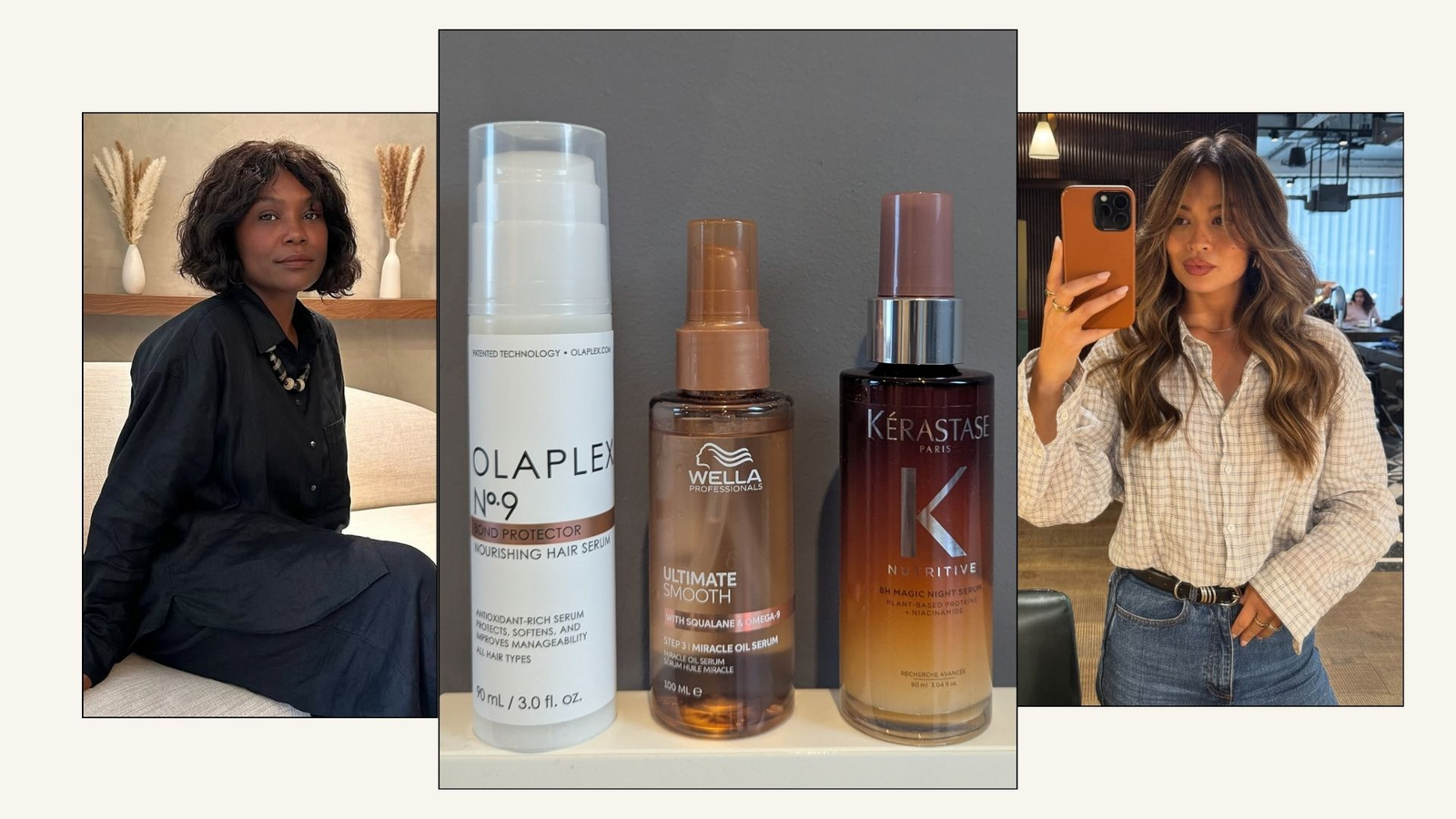
Your hair is one of the first things people notice about you, and maintaining its health and vitality goes far beyond vanity. Healthy-looking hair reflects overall well-being, proper nutrition, and — perhaps most importantly — the right hair care routine. Yet, with thousands of shampoos, conditioners, serums, and treatments flooding store shelves, choosing the right products can feel overwhelming.
The truth is, there is no single “miracle” product that works for everyone. The secret to healthier-looking hair care products lies in understanding your unique hair type, reading ingredient labels with confidence, and building a routine that addresses your specific needs. This comprehensive guide will walk you through everything you need to know to make informed choices and transform your hair from lackluster to luminous.
Understanding Your Hair Type: The Foundation of Smart Product Selection
Before you invest a single dollar in a new hair product, you need to understand what you’re working with. Hair types vary dramatically based on texture, porosity, density, and scalp condition.
Hair Texture
Hair texture is generally categorized into four main types:
- Type 1 (Straight): Tends to be oily at the roots and may lack volume. Lightweight, volumizing products work best.
- Type 2 (Wavy): Falls somewhere between straight and curly, prone to frizz. Light creams and mousses help define waves without weighing them down.
- Type 3 (Curly): Naturally dry and prone to tangling. Rich moisturizers, leave-in conditioners, and curl-defining gels are essential.
- Type 4 (Coily/Kinky): The most fragile hair type, requiring intense hydration and gentle handling. Heavy butters, oils, and deep conditioning treatments are non-negotiable.
Hair Porosity
Porosity refers to how well your hair absorbs and retains moisture:
- Low Porosity: The cuticle layer is tightly closed, making it difficult for moisture to penetrate. Look for lightweight, liquid-based products and avoid heavy oils that sit on the surface.
- Medium Porosity: The ideal balance. Most products work well, but maintaining consistency is key.
- High Porosity: The cuticle is open or damaged, causing hair to absorb moisture quickly but lose it just as fast. Protein treatments and sealing oils like argan or jojoba are highly beneficial.
Scalp Condition
Don’t forget your scalp — it’s the foundation of healthy hair. Whether your scalp is oily, dry, sensitive, or flaky, your product choices should address scalp health first and foremost.
Key Ingredients to Look For (and Avoid)
Becoming an informed consumer starts with understanding what’s actually inside the bottle. Here’s a breakdown of ingredients that can make or break your hair care routine.
Ingredients to Embrace
| Ingredient | Benefit | Best For |
| Keratin | Strengthens and repairs damaged hair strands | Chemically treated or heat-damaged hair |
| Biotin | Promotes hair growth and thickness | Thinning or fine hair |
| Argan Oil | Deeply moisturizes and adds shine | Dry, frizzy, or coarse hair |
| Shea Butter | Provides intense hydration and softness | Curly and coily hair types |
| Aloe Vera | Soothes the scalp and balances pH | Sensitive or irritated scalps |
| Hyaluronic Acid | Locks in moisture without heaviness | All hair types, especially low porosity |
| Tea Tree Oil | Antifungal and antibacterial properties | Dandruff-prone or oily scalps |
| Coconut Oil | Penetrates the hair shaft to prevent protein loss | Dry and damaged hair |
| Niacinamide | Improves scalp circulation and barrier function | Thinning hair and scalp health |
Ingredients to Approach with Caution
- Sulfates (SLS/SLES): Harsh detergents that strip natural oils. While effective cleansers, they can be too aggressive for dry, curly, or color-treated hair.
- Parabens: Preservatives linked to hormonal disruption concerns. Many brands now offer paraben-free alternatives.
- Silicones (Dimethicone, Cyclomethicone): While they provide instant smoothness and shine, they can build up over time, creating a barrier that blocks moisture. If you use silicone-based products, incorporate a clarifying shampoo into your routine periodically.
- Alcohol (Short-chain): Ingredients like isopropyl alcohol and ethanol can be extremely drying. However, fatty alcohols like cetyl and stearyl alcohol are actually moisturizing and beneficial.
- Formaldehyde Releasers: Found in some keratin treatments and preservatives, these are best avoided entirely.
Building Your Core Hair Care Routine
A solid hair care routine doesn’t need to be complicated. In fact, simplicity often yields the best results. Here’s a step-by-step framework:
1. Cleansing (Shampoo)
Choose a shampoo based on your scalp condition, not your hair ends. If you have an oily scalp but dry ends, use a clarifying or balancing shampoo at the roots and let the suds gently cleanse the lengths as you rinse.
- Fine/Oily Hair: Volumizing or clarifying shampoos
- Dry/Curly Hair: Sulfate-free, moisturizing shampoos or co-washes
- Color-Treated Hair: Color-safe, pH-balanced formulas
- Sensitive Scalp: Fragrance-free, hypoallergenic options
Pro Tip: You don’t need to shampoo every day. Over-washing strips natural oils and can trigger your scalp to produce even more sebum. Most hair types benefit from washing two to three times per week.
2. Conditioning
Conditioner is where you address the needs of your hair strands. Apply from mid-length to ends, avoiding the roots to prevent greasiness.
- Daily Conditioner: For regular moisture maintenance
- Deep Conditioner/Mask: Use once a week for intensive repair and hydration
- Leave-In Conditioner: Ideal for curly, coarse, or high-porosity hair that needs ongoing moisture throughout the day
3. Treatment
This is where you target specific concerns:
- Hair Serums: Great for frizz control, heat protection, and adding shine
- Scalp Treatments: Exfoliating scrubs or nourishing oils for scalp health
- Protein Treatments: Essential for chemically damaged or high-porosity hair, but use sparingly to avoid brittleness
- Bond Builders: Products like Olaplex or K18 that repair broken disulfide bonds from the inside out
4. Protection
Never skip heat protection if you use styling tools. A good heat protectant spray or cream creates a thermal barrier that minimizes damage from blow dryers, flat irons, and curling wands. Additionally, UV-protectant sprays can shield hair from sun damage during the summer months.
Common Hair Care Mistakes to Avoid
Even with the best products, poor habits can undermine your efforts. Watch out for these frequent pitfalls:
- Product Overload: Layering too many products can cause buildup, weigh hair down, and lead to dullness. Start with the basics and add products only when necessary.
- Ignoring the Expiration Date: Hair products do expire. Using old formulas can lead to reduced effectiveness and even scalp irritation.
- Switching Products Too Frequently: Hair needs time to adjust to new products. Give a new routine at least four to six weeks before judging its effectiveness.
- Neglecting the Scalp: A healthy scalp is the prerequisite for healthy hair. Incorporate scalp massages and treatments into your routine.
- Using Hot Water: Washing your hair with scalding hot water opens the cuticle excessively and strips moisture. Rinse with lukewarm water and finish with a cool rinse to seal the cuticle and boost shine.
- Rough Towel Drying: Vigorously rubbing your hair with a regular towel causes friction and breakage. Opt for a microfiber towel or an old cotton T-shirt to gently squeeze out excess water.
Seasonal Adjustments: Adapting Your Routine Year-Round
Your hair’s needs change with the seasons, and your product lineup should reflect that:
- Winter: Cold air and indoor heating sap moisture. Switch to richer, more emollient products and increase deep conditioning frequency.
- Spring: Humidity rises, bringing frizz. Incorporate anti-humectant serums and lightweight smoothing products.
- Summer: UV rays, chlorine, and saltwater take a toll. Use UV-protectant sprays, clarifying shampoos to remove pool chemicals, and hydrating masks.
- Fall: Transition back to nourishing formulas to repair summer damage and prepare hair for the dry months ahead.
The Role of Diet and Lifestyle
No topical product can fully compensate for poor nutrition or chronic stress. For truly healthier-looking hair, support your routine from the inside out:
- Protein: Hair is primarily made of keratin, a protein. Ensure adequate intake through lean meats, eggs, legumes, and nuts.
- Omega-3 Fatty Acids: Found in salmon, walnuts, and flaxseeds, these promote scalp health and natural shine.
- Iron and Zinc: Deficiencies in these minerals are directly linked to hair thinning and loss.
- Hydration: Drinking enough water keeps hair hydrated from the root.
- Sleep and Stress Management: Chronic stress elevates cortisol levels, which can push hair follicles into a resting phase, leading to shedding.
Conclusion
Choosing the right hair care products doesn’t have to be a guessing game. By understanding your hair type, porosity, and scalp condition, reading ingredient labels critically, and building a consistent yet adaptable routine, you can achieve the healthier, more vibrant hair you’ve always wanted.
Remember, the best hair care routine is one that you can maintain consistently. Start simple, listen to what your hair tells you, and don’t be afraid to experiment until you find the perfect combination. Your hair is unique — your routine should be, too.
