



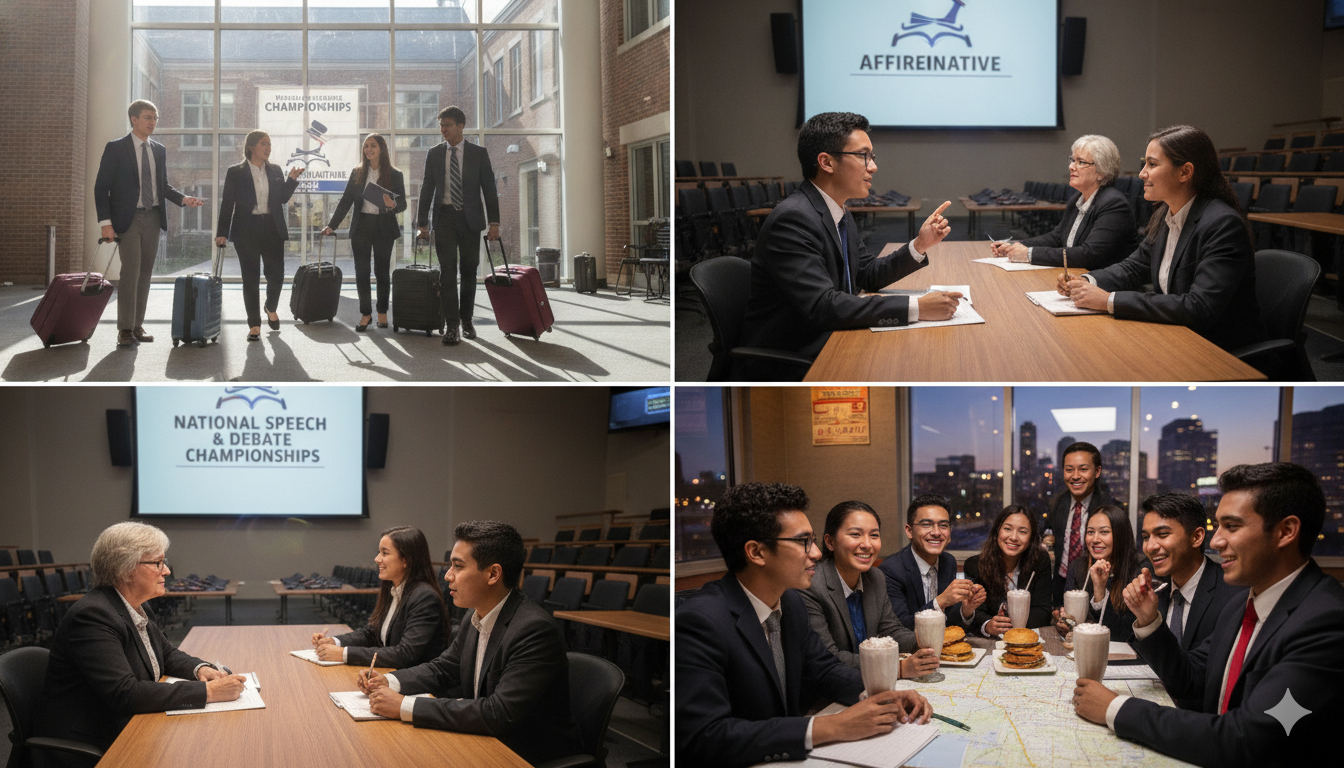
Traveling for school competitions is one of the most exciting parts of being on a speech and team. When you pack your bags to head to a new city, you are not just leaving your home school behind. You are stepping into a huge adventure where you get to test your skills against smart students from other places. This journey is known as Debate Travel, and it requires a mix of deep research, sharp thinking, and great planning. Going on a trip with your teammates helps you grow in ways that regular classes simply cannot match. You get to see new campuses, hear different points of view, and make friends that can last a lifetime.
However, leaving your local town to compete on a national stage means you have to prepare carefully. A successful trip does not happen by accident. It takes a lot of coordination between your school coaches, your parents, and your team members to make everything run smoothly. From booking rooms to tracking tournament schedules, every little detail matters. When you know how to handle the logistics of your journey, you can keep your mind focused on winning your rounds. Let us look at how you can master the art of traveling for your upcoming tournaments without any added stress.
What is Debate Travel and Why Does it Matter?
At its core, debate travel means leaving your local school to compete in speaking tournaments in other cities or states. These trips are very special because they give you a chance to face new competitors who argue differently than the people in your local town. When you stay in your own area, you quickly learn everyone’s style. Traveling breaks you out of that bubble and forces you to think on your feet.
Many successful people say that traveling for speech events was the most meaningful part of their high school or college years. It teaches you how to manage your time, navigate airports, and stay professional under heavy pressure. You also get to experience what it feels like to represent your school community on a much larger stage, which builds incredible pride and confidence.
How to Pack Smart for Long Tournament Trips
Packing for a long competition trip is a balancing act. You need to look sharp and professional during your rounds, but you also want to be comfortable during long van rides or flights. The key is to pack clothes that do not wrinkle easily and to always bring a backup outfit in case of spills.
Never underestimate how much walking you will do on a large college campus. Always pack a pair of comfortable walking shoes to wear between rounds. You can easily switch into your formal dress shoes right before you walk into your competition room to meet your judges.
Managing Your Budget for Away Competitions
The financial side of debate travel can seem scary, but careful planning makes it easy to handle. Most school teams try to pool their resources to save money on hotels and rental vans. If your team is on a tight budget, you can look for tournaments that offer affordable housing options or host students with local families.
Eating out on the road can also get expensive very quickly. A great way to save money is to visit a local grocery store as soon as you arrive at your destination. Buying a large bag of apples, granola bars, and sandwich ingredients will keep you full without breaking the bank. Saving money on food means you have more funds left for future trips.
The Secret to Staying Rested in Shared Hotel Rooms
When you are on a trip, you will almost always share a hotel room with your teammates. This is an awesome way to bond, but it can make it hard to get enough sleep. Since debate rounds start early in the morning, staying well-rested is your absolute secret weapon for success.
Set a strict lights-out rule with your roommates so everyone gets at least eight hours of sleep. Bring a pair of earplugs and an eye mask to block out any extra noise or light. Remember, a tired brain makes mistakes during cross-examination, so prioritizing your rest is a major part of your overall competitive strategy.

How to Keep Your Research Organized on the Road
Losing your files right before a round is a nightmare. When participating in debate travel, you cannot rely on having perfect Wi-Fi at every single tournament venue. College campuses often have spotty guest networks that can cut out right when you need to download a crucial piece of evidence.
Always download all of your speech files, cases, and research documents directly onto your computer’s hard drive before you leave your house. It is also smart to save a copy on a USB flash drive or print out paper copies of your main arguments. Having a physical backup ensures you are always ready to compete, no matter what happens to the internet.
Navigating Big College Campuses Without Getting Lost
Large universities can feel like giant mazes, especially when you are rushing to find your assigned room before a round starts. Getting lost can cause you to arrive late, which frustrates judges and can even result in a forfeit.
Take a screenshot of the campus map on your phone before you arrive. When your coach sends out the room assignments, find your buildings early and map out your walking paths. Walking the campus layout the night before the competition starts will save you a massive amount of stress when the real rounds begin.
Eating for Energy: Choosing the Right Foods
It is tempting to eat fast food and candy bars when you are living out of a suitcase during debate travel. However, heavy, greasy foods will make you feel sluggish and tired during your afternoon rounds. Your brain needs clean, steady fuel to build fast arguments and sharp rebuttals.
| Food Category | Smart Choices for Debaters | Foods to Avoid on Match Day |
| Breakfast | Oatmeal, eggs, whole-grain toast, bananas | Sugary donuts, heavy pancakes, greasy bacon |
| Snacks | Almonds, walnuts, apples, string cheese | Potato chips, candy bars, high-sugar gummies |
| Drinks | Water, herbal tea, low-sugar sports drinks | Energy drinks, large sodas, excessive coffee |
Drinking plenty of water throughout the day is just as important as eating well. Speaking for hours dry out your throat and strains your voice. Keep a refillable water bottle with you at all times to stay hydrated and keep your voice clear.
Building Strong Team Bonds During Long Transit Hours
The hours you spend sitting in vans or waiting at airport gates during debate travel are perfect for building deep team chemistry. Teams that get along well outside of the rounds tend to support each other much better during tough competitions.
Use this travel time to run practice rounds, play fun word games, or review arguments together. Strong team unity means you will have a loud cheer section waiting for you during the awards assembly. Supporting your friends through their wins and losses makes the entire journey much more rewarding.
Handling Tournament Stress and Performance Anxiety
It is completely normal to feel a wave of nervousness when walking into a massive out-of-state tournament. The key to handling this pressure is focusing on what you can control. You cannot control who your judge is or what arguments your opponent brings, but you can control your own preparation and breathing.
Before your rounds begin, take deep breaths and visualize yourself speaking clearly and confidently. Remind yourself of all the hours you spent researching and practicing back at your home school. Treat every round as an opportunity to learn something new, rather than just a race to win a plastic trophy.
Balancing Schoolwork and Missing Classes for Trips
One of the hardest parts of long-distance debate travel is making sure your regular school grades do not drop. Missing Thursday or Friday classes means you have to be highly responsible about communicating with your teachers before you leave.
Showing your teachers that you care about their classes builds incredible trust. When you maintain high grades, your school administration will be much more supportive of funding and approving your future competition trips.
Learning from Different Regional Judging Styles
Every region has its own unique style of evaluating speech events. A style of delivery that wins rounds in your home state might not work well when you engage in debate travel to a different part of the country. Part of being a great debater is learning how to adapt to the judge sitting in front of you.
Pay close attention to the spoken or written feedback your judges give you during regional tournaments. Ask polite questions after the round to understand what parts of your logic they liked best. Adapting your speed, tone, and argument structure to match regional preferences will make you a much more dangerous competitor.
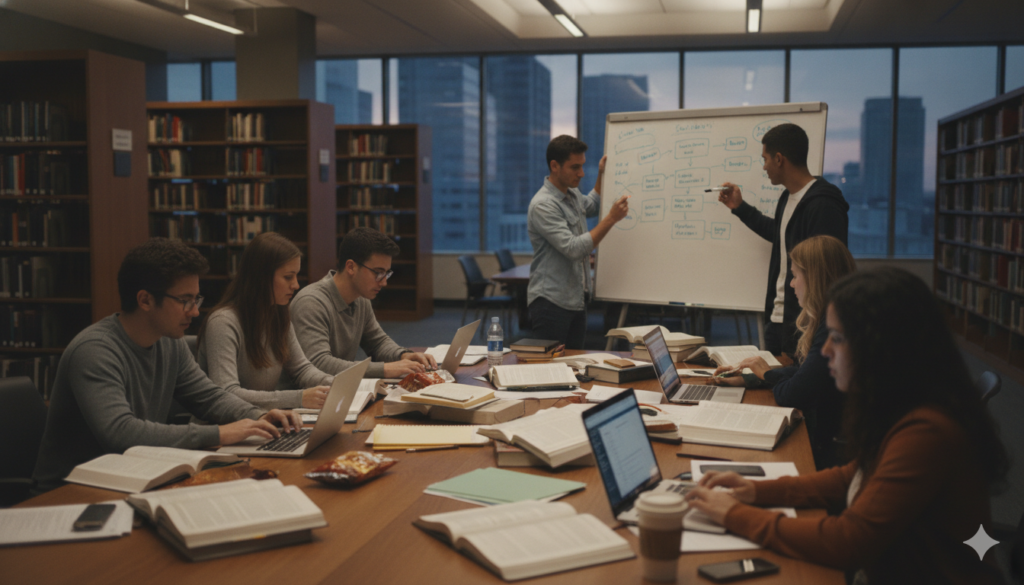
Conclusion: Making the Most of Every Journey
Going on a debate travel trip is a massive opportunity to grow as a student, a speaker, and a person. While the main goal is always to bring home medals and wins for your school, the real value lies in the skills you build and the memories you make along the way. By packing smart, staying organized, eating well, and supporting your teammates, you can ensure that every single tournament trip is a major success. So embrace the long van rides, study your evidence, and get ready to shine on the national stage!
Frequently Asked Questions
What should I do if my flight is delayed and I miss registration?
If your transportation runs into delays, have your coach contact the tournament director immediately. Most tournament organizers are very understanding and can check your team in electronically so you do not get dropped from the first round.
Can I practice my speeches while traveling in a car or van?
Yes! You can easily practice your speech delivery quietly or run through verbal arguments with your seatmate. Just be mindful of your teammates and avoid speaking too loudly if others are trying to sleep or study.
How many suits do I need to pack for a three-day tournament?
It is best to bring at least two professional outfits for a multi-day trip. This allows you to rotate your clothes and ensures you always have a clean, fresh look if you advance to the final elimination rounds on Sunday.
Is it safe to leave my laptop in the tournament prep room?
Never leave your expensive electronics or bags unattended in common areas or tournament rooms. Keep your laptop, phone, and money with you at all times, or leave them with a trusted coach or teammate who is staying behind to guard the gear.
How do I handle a bad round while far away from home?
A tough loss can feel worse when you are far from home, but it is a natural part of the learning process. Take a few minutes to breathe, review your judge’s ballot notes with your coach, and focus your energy entirely on winning your next round.
