



The mini 14 rifle is one of the most recognizable semi-automatic rifles in modern American firearms history. Known for its classic styling, reliability, and versatility, it has been used by ranchers, law enforcement agencies, recreational shooters, and collectors for decades. While discussions about firearms can sometimes become controversial, understanding the history, engineering, and legal context of the mini 14,rifle provides valuable insight into its enduring popularity.
This comprehensive article explores the origins, design philosophy, technical characteristics, variants, practical applications, cultural impact, legal considerations, and ongoing relevance of the mini 14,rifle. The goal is to provide historical and educational information without encouraging unsafe or unlawful use.
Mini 14 Rifle Origins and Historical Development
The story of the mini 14,rifle begins in the early 1970s. It was developed and introduced by Sturm, Ruger & Co. in 1973. At the time, the American firearms market was experiencing growing interest in lightweight, semi-automatic rifles that were reliable, practical, and chambered in widely available ammunition.
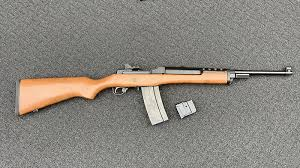
The mini 14,rifle was designed by L. James Sullivan and William B. Ruger. Sullivan had previously worked on the AR-15 platform, and elements of that engineering experience influenced the mini 14’s gas-operated design. However, the rifle’s appearance was intentionally different from the modern “black rifle” aesthetic. Instead, it featured a traditional wood stock and styling that resembled the M1 Garand and M14 rifles.
The name “Mini 14” reflects its conceptual inspiration: a smaller version of the M14 battle rifle. It was chambered in .223 Remington (later standardized to 5.56×45mm NATO compatibility in many models), a lighter cartridge that offered manageable recoil and practical effectiveness for civilian use.
From its introduction, the mini 14,rifle filled a unique space in the market. It combined semi-automatic performance with a traditional look, appealing to users who preferred classic styling over tactical designs.
Mini 14 Rifle Design Philosophy and Engineering
The engineering behind the mini 14,rifle is rooted in simplicity and reliability. Its design incorporates several key elements:
Gas-Operated Action
The mini 14,rifle uses a gas-operated, rotating bolt system. This mechanism channels a portion of gas from a fired cartridge to cycle the action, eject the spent casing, and chamber a new round. The rotating bolt design is known for its durability and strength.
Traditional Stock Design
Unlike many modern rifles that feature synthetic stocks and modular rail systems, the mini 14,rifle originally came with a wooden stock. This gave it a sporting appearance similar to traditional hunting rifles. Over time, synthetic stocks became available, but the classic wood-stock version remains iconic.
Compact and Lightweight Structure
As its name suggests, the mini 14,rifle was designed to be relatively compact and lightweight. This made it easier to carry over long distances, particularly for ranchers and farmers who required a practical utility rifle.
Simple Controls
The controls on the mini 14,rifle are straightforward. It typically includes:
- A manual safety located near the trigger guard
- A charging handle on the side of the receiver
- A detachable magazine system
Its user-friendly layout contributed to its reputation as an accessible and manageable firearm for experienced owners.
Mini 14 Rifle Technical Specifications Overview
While specific specifications vary depending on the model and production year, the mini 14,rifle generally includes the following characteristics:
- Caliber: .223 Remington / 5.56×45mm NATO (varies by model)
- Operation: Gas-operated, semi-automatic
- Magazine Type: Detachable box magazine
- Barrel Length: Commonly around 18.5 inches
- Overall Length: Approximately 37–38 inches
- Weight: Around 6.5–7.5 pounds depending on configuration
These specifications make the mini 14,rifle suitable for a variety of sporting and practical uses, including target shooting and varmint control.
Mini 14 Rifle Variants and Models
Over the decades, multiple versions of the mini 14 rifle have been produced. These variations reflect changes in market demand, legal requirements, and technological improvements.
Ranch Rifle Variant
One of the most popular versions is the “Ranch Rifle” configuration. This variant was designed with integrated scope mounts to accommodate optics. It became especially popular among rural landowners who wanted a reliable rifle for pest control and general property management.
Tactical Variants
In later years, manufacturers introduced tactical-style versions of the mini 14 rifle. These often included synthetic stocks, flash suppressors (where legally permitted), and updated sights. While still semi-automatic, these models had a more modern aesthetic compared to the original wood-stock design.
Law Enforcement Models
At various points in history, certain law enforcement agencies adopted the mini 14 rifle. Its traditional appearance sometimes made it more publicly acceptable than other semi-automatic rifles with more aggressive styling.
Caliber Variants
Although the standard chambering was .223/5.56, there were also versions chambered in:
- 7.62×39mm (Mini Thirty variant)
- .300 AAC Blackout (in more recent production runs)
These alternative chamberings expanded the platform’s versatility.
Mini 14 Rifle Performance and Reliability
Reliability is one of the defining characteristics of the mini 14 rifle. Its robust gas system and sturdy construction have contributed to a reputation for dependable performance when properly maintained.
Durability
The rotating bolt design provides strong locking strength. Many users have reported long service lives with routine cleaning and maintenance.
Accuracy Evolution
Early production mini 14 rifles were sometimes criticized for moderate accuracy compared to other rifles in the same caliber. However, later manufacturing improvements, including thicker barrels and refined production techniques, significantly enhanced accuracy consistency.
It is important to note that performance varies depending on ammunition type, barrel condition, and maintenance practices.
Mini 14 Rifle Uses in Civilian Contexts
The mini 14 rifle has primarily been used in civilian contexts. Common lawful uses include:
Ranch and Farm Utility
The mini 14 rifle became especially popular in rural America. Farmers and ranchers valued it for predator control and property protection from wild animals.
Target Shooting
Many owners use the mini 14 rifle for recreational target shooting. The manageable recoil of .223/5.56 ammunition makes it accessible for experienced adult shooters.
Sport Shooting
In certain shooting sports and competitions, the mini 14 rifle has been used in divisions that allow semi-automatic rifles with traditional configurations.
It is essential that any firearm use complies with local laws and safety guidelines.
Mini 14 Rifle Legal Considerations
Firearm laws vary widely depending on country, state, and municipality. The legal status of the mini 14 rifle depends on:
- Magazine capacity restrictions
- State-specific assault weapon definitions
- Features such as flash suppressors or folding stocks
- Licensing and registration requirements
In some regions, certain configurations of the mini 14 rifle are restricted, while traditional wood-stock models may remain legal.
Anyone considering firearm ownership must understand and follow all applicable laws and regulations in their jurisdiction. Safe storage and responsible handling are critical components of lawful ownershi
Mini 14 Rifle Cultural Impact and Media Appearances
The mini 14 rifle has appeared in various television shows and films over the decades. One of the most famous examples is its frequent use in the 1980s television series The A-Team. This exposure contributed to its recognition in popular culture.
Because of its distinctive profile—particularly the wood-stock version—the mini 14 rifle is easily identifiable on screen. It often represents a balance between classic and modern firearm design.
Mini 14 Rifle Comparison to Similar Platforms
When discussing the mini 14 rifle, comparisons often arise with other semi-automatic rifles chambered in .223/5.56.
Comparison with AR-Style Rifles
The AR-15 platform is perhaps the most common comparison. While both rifles share similar calibers and semi-automatic operation, key differences include:
- Styling and ergonomics
- Modular customization potential
- Gas system design
- Aftermarket parts availability
The mini 14 rifle typically offers a more traditional look, while AR-style rifles emphasize modularity.
Comparison with Traditional Hunting Rifles
Compared to bolt-action hunting rifles, the mini 14 rifle offers faster follow-up shots due to its semi-automatic operation. However, bolt-action rifles may offer higher precision for long-distance hunting applications.
Mini 14 Rifle Manufacturing Evolution
Over time, manufacturing techniques for the mini 14 rifle have evolved. Improvements have included:
- Enhanced barrel manufacturing processes
- Refinements in heat treatment and metallurgy
- Updated sight systems
- Improved consistency in production tolerances
These advancements addressed early criticisms and strengthened the rifle’s overall performance reputation.
Mini 14 Rifle Maintenance and Care Principles
Proper maintenance is essential for any mechanical device, including firearms. General principles of safe firearm care include:
- Regular inspection for wear
- Cleaning according to manufacturer guidelines
- Safe storage in secure environments
- Avoiding unauthorized modifications
It is important to emphasize that maintenance should always follow official manufacturer recommendations and safety procedures.
Mini 14 Rifle Safety Considerations
Firearm safety is non-negotiable. Core safety principles include:
- Treat every firearm as if it is loaded.
- Never point a firearm at anything you do not intend to shoot.
- Keep your finger off the trigger until ready to fire.
- Be aware of your target and what lies beyond it.
Safe storage practices—such as using gun safes or locking devices—help prevent unauthorized access, especially in households with minors.
Mini 14 Rifle Market Demand and Resale Value
The mini 14 rifle has maintained steady demand over decades. Factors influencing resale value include:
- Production year
- Condition
- Rarity of specific variants
- Market conditions and legislative changes
Certain older models and limited-production variants can become collectible.
Mini 14 Rifle International Presence
While most associated with the United States, the mini 14 rifle has also been exported to other countries where civilian ownership is permitted under national laws. Its acceptance varies based on local regulations.
Mini 14 Rifle and Technological Longevity
The continued production of the mini 14 rifle demonstrates the longevity of its core design. Despite the rise of highly modular rifle systems, the mini 14 maintains a dedicated user base.
Its enduring appeal stems from:
- Classic aesthetics
- Proven reliability
- Manageable recoil
- Practical size and weight
Technological simplicity can sometimes outlast more complex systems.
Mini 14 Rifle Criticisms and Limitations
No mechanical design is without limitations. Common critiques historically included:
- Early production accuracy concerns
- Limited aftermarket customization compared to AR platforms
- Magazine availability during certain regulatory periods
Later improvements addressed many of these concerns, particularly regarding barrel design.
Mini 14 Rifle in Contemporary Discussions
In modern firearm discussions, the mini 14 rifle often appears in debates about gun laws and design classifications. Because of its traditional appearance, some argue that it demonstrates how styling influences public perception.
Understanding the historical and technical background of the mini 14 rifle can contribute to more informed discussions about firearm design and regulation.
Mini 14 Rifle Ownership Responsibilities
Owning any firearm carries significant responsibility. Responsible ownership includes:
- Understanding applicable laws
- Practicing safe storage
- Receiving proper training
- Maintaining equipment safely
- Avoiding misuse
Firearms are tools that require maturity, discipline, and awareness.
Mini 14 Rifle Collectibility and Enthusiast Community
Over time, the mini 14 rifle has developed a strong enthusiast community. Collectors often seek:
- Early production models
- Rare configurations
- Limited edition finishes
- Well-preserved examples with original components
Online forums and collector groups continue to discuss historical production details and serial number ranges.
Mini 14 Rifle and Future Outlook
The future of the mini 14 rifle depends on market demand, regulatory landscapes, and manufacturing priorities. As long as there is interest in traditional-style semi-automatic rifles, the platform is likely to retain relevance.
Technological updates may continue, but the foundational design has remained largely consistent for over 50 years—a testament to its durability.
Conclusion: Understanding the Mini 14 Rifle in Context
The mini 14 rifle occupies a unique place in firearm history. Introduced in the 1970s, it combined modern semi-automatic functionality with traditional sporting aesthetics. Its gas-operated system, compact design, and versatile chambering made it attractive to ranchers, sport shooters, and collectors alike.
Over decades, improvements in manufacturing and barrel design enhanced its accuracy and reliability. Its presence in media further cemented its recognition in popular culture.
However, like all firearms, the mini 14 rifle must be understood within the framework of responsibility, safety, and law. Ownership carries legal and ethical obligations that cannot be ignored.
By examining its origins, engineering, variants, uses, and cultural significance, we gain a deeper appreciation for why the mini 14 rifle continues to be discussed more than half a century after its introduction.
READ MORE: NEWZTOP.CO.UK
