



When it comes to home safety, comfort, and efficiency, few components are as underestimated — and yet as essential — as the chimney flue. Hidden within the walls of your chimney, the chimney-flue works silently, carrying smoke, toxic gases, and combustion byproducts safely away from your living space. Without a properly functioning chimney-flue, your cozy fireplace or heating appliance could become a serious hazard.
In this comprehensive guide, we will explore everything about the chimney-flue — from its definition and purpose to types, materials, installation methods, maintenance practices, safety concerns, and cost considerations. Whether you are a homeowner, builder, real estate investor, or DIY enthusiast, this in-depth article will give you the knowledge you need to understand and protect your chimney-flue system.
What Is a Chimney Flue?
A chimney flue is the internal passage or duct within a chimney that directs smoke, gases, and combustion byproducts from a fireplace, stove, or heating appliance to the outside atmosphere.
In simple words, the chimney-flue is the “breathing system” of your fireplace or furnace.
Main Functions of a Chimney Flue
- Safely removes smoke from the home
- Directs harmful gases like carbon monoxide outside
- Protects surrounding walls from heat
- Improves draft efficiency
- Prevents moisture and creosote damage
Without a chimney-flue, smoke would back up into your home, leading to dangerous indoor air quality and fire risks.
Why the Chimney Flue Is So Important
Many homeowners focus on the fireplace’s beauty but ignore the chimney-flue hidden inside. However, the chimney-flue is the real safety barrier between controlled fire and uncontrolled disaster.
1. Safety Protection
A properly sized and lined chimney-flue prevents:
- Carbon monoxide poisoning
- Chimney fires
- Structural heat damage
- Toxic gas buildup
2. Improved Efficiency
A correctly installed chimney-flue ensures:
- Better draft
- Cleaner combustion
- Lower fuel consumption
- Reduced smoke spillage
3. Code Compliance
Modern building codes require a properly lined chimney-flue to meet safety standards. An unlined or damaged flue may fail inspection.
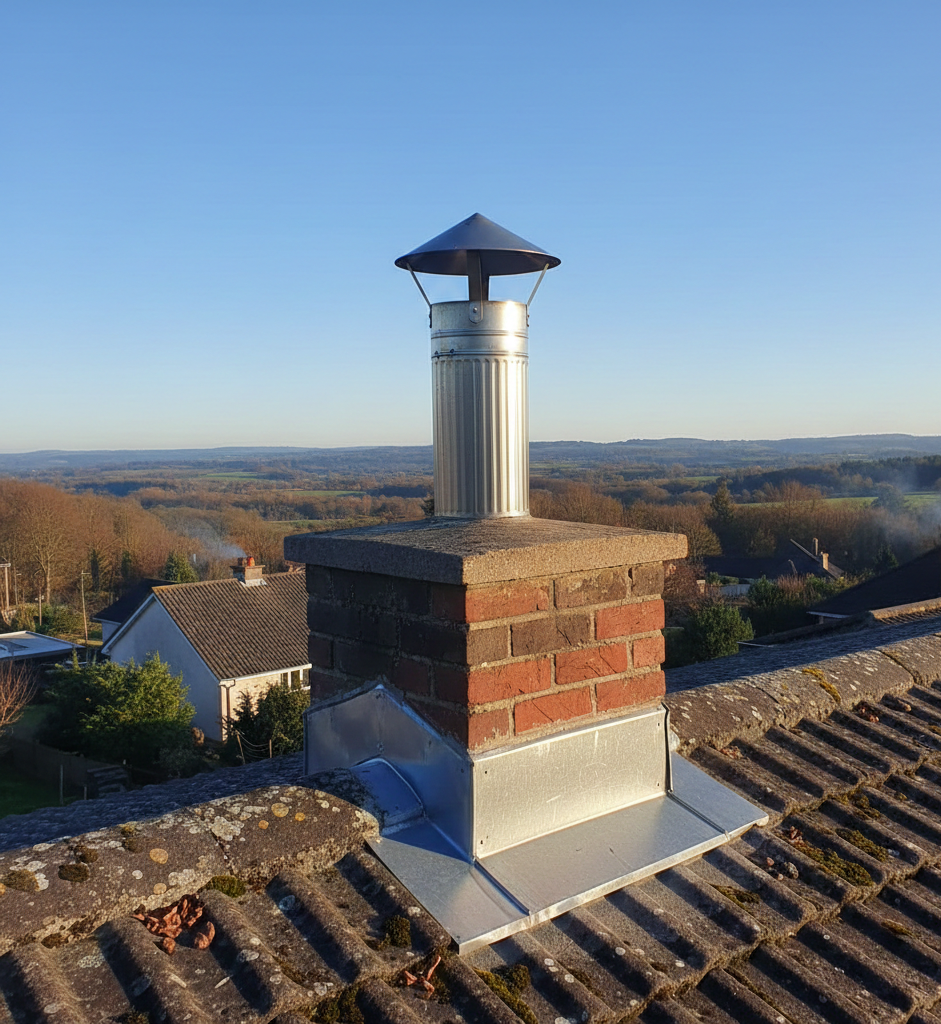
Types of Chimney Flue Systems
Not all chimney-flue systems are the same. The right type depends on your heating appliance, home structure, and budget.
1. Clay Tile Chimney Flue
Clay tile is one of the oldest and most traditional chimney-flue materials.
Advantages:
- Affordable
- Durable
- Heat resistant
- Long lifespan
Disadvantages:
- Can crack over time
- Difficult to repair
- Not ideal for modern high-efficiency appliances
Clay tile chimney-flues are commonly found in older masonry chimneys.
2. Metal Chimney Flue (Stainless Steel)
Stainless steel chimney-flues are popular for upgrades and relining projects.
Advantages:
- Corrosion resistant
- Easy to install
- Suitable for wood, gas, and oil appliances
- Ideal for chimney relining
Disadvantages:
- Higher upfront cost
- May require insulation
Stainless steel chimney-flue liners are often flexible or rigid and are commonly used to restore damaged chimneys.
3. Cast-in-Place Chimney Flue
This type involves pouring a cement-like material to form a seamless chimney-flue liner.
Advantages:
- Extremely durable
- Adds structural strength
- Seals cracks
- Improves insulation
Disadvantages:
- More expensive
- Requires professional installation
Cast-in-place chimney-flues are excellent for restoring severely damaged masonry chimneys.
How a Chimney Flue Works
Understanding how a chimney-flue works helps you recognize why maintenance is critical.
The Draft Effect
The chimney-flue operates using a principle called draft.
When hot air rises:
- Fire produces hot gases.
- Hot gases move upward inside the chimney-flue.
- Cooler air is pulled into the fireplace.
- Continuous airflow sustains combustion.
If the chimney-flue is blocked, undersized, or damaged, the draft weakens, causing smoke to flow back into the home.
Chimney Flue Size and Sizing Rules
One of the most common issues with chimney-flue systems is improper sizing.
Why Chimney Flue Size Matters
- Too small → Smoke backup
- Too large → Poor draft and creosote buildup
General Sizing Guidelines
- Fireplace flue area should be approximately 1/10 the size of the fireplace opening.
- Wood stoves require flue sizing according to manufacturer specifications.
- Gas appliances require properly rated venting systems.
Improper chimney-flue sizing reduces performance and increases hazards.
Common Chimney Flue Problems
A chimney-flue can deteriorate over time due to heat, moisture, and chemical reactions.
1. Creosote Buildup
Burning wood produces creosote — a highly flammable substance that sticks to chimney-flue walls.
Excess creosote can cause chimney fires.
2. Cracked Flue Tiles
Clay tile chimney-flues can crack due to:
- Thermal shock
- Moisture
- Age
Cracks allow heat to reach combustible materials.
3. Flue Blockages
Blockages can be caused by:
- Bird nests
- Debris
- Collapsed tiles
- Creosote buildup
A blocked chimney-flue can cause carbon monoxide poisoning.
4. Corrosion
Metal chimney-flues can corrode due to acidic combustion gases.
Chimney Flue Liner: Why It’s Essential
The chimney-flue liner is the protective inner layer of the flue passage.
Benefits of a Chimney Flue Liner
- Protects masonry
- Improves draft
- Reduces fire risk
- Enhances appliance performance
Many older homes have unlined chimneys — which is considered unsafe by modern standard
Chimney Flue Installation Process
Installing or relining a chimney-flue requires careful planning.
Step 1: Inspection
A certified chimney professional inspects the existing flue using a camera.
Step 2: Measurement
The chimney-flue must be properly sized according to the appliance.
Step 3: Installation
Depending on type:
- Insert stainless steel liner
- Pour cast-in-place material
- Replace damaged tiles
Step 4: Insulation
Insulating the chimney-flue improves draft and safety.
Chimney Flue Maintenance Tips
Regular maintenance is essential to keep your chimney-flue safe and functional.
Annual Inspection
Have your chimney-flue inspected at least once a year.
Regular Cleaning
Remove creosote buildup with professional chimney sweeping.
Install a Chimney Cap
A cap prevents:
- Rainwater entry
- Animal intrusion
- Debris buildup
Monitor Draft Performance
If smoke enters your home, your chimney-flue may have a blockage.
Chimney Flue and Carbon Monoxide Safety
A damaged chimney-flue can allow carbon monoxide to seep into living areas.
Carbon monoxide is:
- Odorless
- Colorless
- Deadly
Install carbon monoxide detectors in your home for added protection.
Chimney Flue Repair Options
If your chimney-flue is damaged, you have several options.
1. Chimney Flue Relining
Best for cracked or deteriorated liners.
2. Spot Repair
Minor cracks can sometimes be sealed.
3. Full Chimney Rebuild
Severely damaged chimneys may require reconstruction.
Chimney Flue Cost Breakdown
The cost of chimney-flue installation or repair varies.
Average Costs:
- Chimney inspection: $100 – $500
- Cleaning: $150 – $400
- Stainless steel liner installation: $2,000 – $5,000
- Cast-in-place liner: $3,000 – $7,000
- Full chimney rebuild: $5,000+
Prices vary based on chimney height, condition, and location.
Chimney Flue for Different Appliances
Different heating systems require specific chimney-flue setups.
Wood-Burning Fireplace
Requires heat-resistant liner and frequent cleaning.
Gas Fireplace
Needs corrosion-resistant flue material.
Oil Furnace
Produces acidic gases; stainless steel liner recommended.
Signs Your Chimney Flue Needs Immediate Attention
Watch for:
- Smoke entering room
- Strong odors
- Visible cracks
- White staining on chimney exterior
- Rusted damper
- Excess creosote
Ignoring chimney-flue issues can lead to costly repairs or house fires.
Chimney Flue Code Requirements
Building codes require:
- Proper liner material
- Correct flue sizing
- Clearance from combustibles
- Cap installation
Always consult local regulations before installation.
DIY vs Professional Chimney Flue Work
While cleaning may be done by experienced homeowners, chimney-flue installation and repair should be handled by certified professionals.
Why?
- Safety compliance
- Proper sizing
- Insurance requirements
- Warranty protection
Improper chimney-flue installation can void insurance policies.
Chimney Flue Insulation: Is It Necessary?
Yes — insulation improves:
- Draft
- Heat retention
- Creosote reduction
- Structural safety
Insulated chimney-flues perform better in colder climates.
Environmental Impact of a Chimney Flue
A well-maintained chimney-flue:
- Reduces smoke pollution
- Improves fuel efficiency
- Lowers emissions
Modern chimney-flue systems are designed for cleaner combustion.
Frequently Asked Questions About Chimney Flue
How often should a chimney flue be cleaned?
At least once a year, or more if you burn wood frequently.
Can I use a fireplace with a cracked flue?
No. A cracked chimney-flue is a fire hazard.
How long does a chimney flue last?
- Clay tile: 20–50 years
- Stainless steel: 15–25 years
- Cast-in-place: 50+ years
Final Thoughts on Chimney Flue Safety and Performance
The chimney-flue may be hidden from sight, but it should never be hidden from attention. It is the silent guardian of your home — channeling smoke upward, shielding walls from heat, and protecting your family from toxic gases.
A neglected chimney-flue can become a silent threat. A maintained chimney-flue becomes a silent protector.
Invest in inspection. Invest in maintenance. Invest in safety.
Because when fire burns bright, your chimney-flue must work right.
Conclusion: Why the Chimney Flue Deserves Your Attention
The chimney-flue is not just a pipe inside a brick structure — it is the central safety system of your chimney. From improving draft efficiency to preventing fires and carbon monoxide exposure, its role is critical.
Understanding the chimney flue empowers you to:
- Make informed maintenance decisions
- Improve heating efficiency
- Reduce safety risks
- Increase property value
If you have not inspected your chimney flue recently, now is the time.
Because comfort begins with safety — and safety begins with a properly functioning chimney flue.
READ MORE: NEWZTOP.CO.UK
