



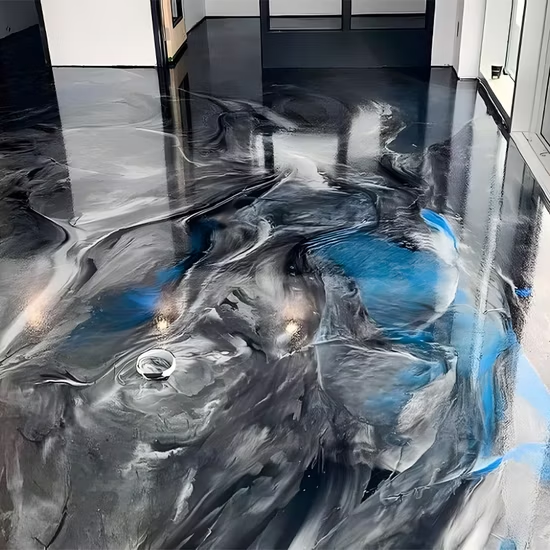
Epoxy colored sand floor coating is a popular flooring system that combines strength, beauty, and long-lasting performance. It is widely used in commercial, industrial, and residential spaces where floors need both protection and an attractive appearance. The system uses colored quartz or decorative sand that is broadcast into an epoxy coating. This creates a textured and visually appealing surface.
Many property owners choose epoxy colored sand floor coating because it can handle heavy traffic, resist chemicals, and improve the overall appearance of a space. It is suitable for garages, warehouses, hospitals, schools, kitchens, showrooms, and many other environments. With different colors and design options available, this flooring solution can also match a company’s branding or interior style.
What Is Epoxy Colored Sand Floor Coating?
Epoxy colored sand floor coating is a multi-layer flooring system designed to protect concrete surfaces while adding decorative value. The process usually begins with a prepared concrete floor and an epoxy base coat. Colored sand or quartz aggregate is then spread across the wet epoxy. After the material cures, excess sand may be removed, and a protective topcoat is applied.
The result is a strong, seamless, and decorative floor surface. Unlike ordinary paint, epoxy creates a durable bond with properly prepared concrete. The colored sand also adds texture and improves the appearance of the floor. Epoxy colored sand floor coating is available in many colors, patterns, and aggregate sizes, making it suitable for both practical and decorative applications.
How Does Epoxy Colored Sand Flooring Work?
The performance of this flooring system depends on the combination of epoxy resin and decorative aggregate. The epoxy acts as a binding material that attaches firmly to the concrete substrate. The colored sand becomes part of the flooring surface and adds thickness, texture, and visual interest.
After the epoxy and sand layers are installed, a clear or colored topcoat is often applied. This protective layer helps seal the surface and improves resistance to stains, chemicals, moisture, and daily wear. A properly installed epoxy colored sand floor coating can create a smooth yet textured finish that is easier to clean than many traditional flooring materials.
Main Benefits of Epoxy Colored Sand Floor Coating
One major benefit of epoxy colored sand floor coating is durability. It can withstand regular foot traffic, equipment movement, impacts, and other forms of wear. This makes it useful in demanding environments where ordinary floor finishes may wear out quickly.
Another important advantage is appearance. Colored sand can be mixed in different combinations to create unique patterns and finishes. Property owners can select colors that match their interior design, brand identity, or safety requirements.
The flooring can also offer good resistance to many chemicals, oils, and stains. In addition, its seamless surface reduces the number of joints where dirt and moisture can collect. These features make it a practical flooring choice for facilities that require both cleanliness and visual appeal.
Where Can Epoxy Colored Sand Coating Be Used?
Epoxy colored sand floor coating can be installed in many different environments. Commercial kitchens, schools, hospitals, laboratories, retail stores, and office buildings can benefit from its durable and easy-to-clean surface.
Industrial facilities may use this flooring in production areas, storage rooms, and workshops. Garages and automotive spaces can also benefit from its resistance to oils and regular traffic. In residential settings, it may be used in garages, basements, entry areas, and utility rooms.
The right system should always be selected according to the conditions of the space. Factors such as moisture, chemical exposure, temperature changes, traffic levels, and safety requirements should be considered before installation.
Types of Colored Sand Used in Epoxy Flooring
Colored quartz and decorative silica sand are commonly used in epoxy flooring systems. These materials are available in different sizes, textures, and colors. Some projects use a single color for a clean and simple appearance, while others combine several colors to create a decorative blend.
Fine aggregates can create a smoother appearance, while larger particles may produce more texture. The type of sand used can also affect slip resistance and the overall feel of the finished surface.
When choosing aggregate, it is important to consider both appearance and performance. A beautiful design is valuable, but the flooring must also meet the practical needs of the environment.
The Installation Process of Epoxy Colored Sand Flooring
The installation process begins with careful inspection and preparation of the concrete. Cracks, holes, contamination, and weak areas should be repaired before coating begins. The surface is then mechanically prepared to create the proper profile for epoxy adhesion.
Next, the epoxy base coat is applied. Colored sand is broadcast over the wet coating until the desired coverage is achieved. Depending on the system, this process may be repeated to create a thicker and more durable floor.
After curing, loose aggregate is removed, and the surface may be scraped or smoothed. Finally, a protective topcoat is applied. Proper curing time is necessary before the floor is opened to foot traffic or heavy use.
Surface Preparation and Why It Matters
Surface preparation is one of the most important steps in an epoxy colored sand floor coating project. Even a high-quality epoxy product may fail if the concrete surface is dirty, weak, damp, or poorly prepared.
Oil, dust, old coatings, and other contaminants can reduce adhesion. Cracks and damaged areas should also be repaired before the epoxy is applied. Mechanical grinding or shot blasting is often used to create a clean and suitable concrete profile.
Proper preparation helps the epoxy bond strongly to the substrate. Skipping this step may lead to peeling, bubbling, or early coating failure. For this reason, surface evaluation should always be part of the planning process.
Design and Color Options
One of the most attractive features of epoxy colored sand flooring is its design flexibility. Property owners can choose from solid colors, blended patterns, decorative combinations, and custom color schemes.
Different colors can also be used to separate work zones or improve navigation inside a facility. For example, walkways, production areas, and safety zones can be visually identified using different aggregate colors.
A well-planned epoxy colored sand floor coating can therefore provide more than decoration. It can also support organization, safety, and brand presentation.
Durability and Chemical Resistance
A properly selected epoxy flooring system can provide excellent resistance to daily wear. The combination of epoxy and aggregate creates a strong surface that can handle frequent traffic and physical impact.
Many systems also provide resistance to oils, cleaning products, and selected industrial chemicals. However, chemical resistance depends on the exact epoxy and topcoat formulation. Different environments may require specialized materials.
For areas exposed to strong chemicals, heat, or constant moisture, the flooring system should be designed specifically for those conditions. Choosing the correct product is essential for long-term performance.
Safety and Slip Resistance
Safety is another reason why businesses choose epoxy colored sand floor coating. The sand aggregate can create texture that improves traction compared with a completely smooth surface.
The level of slip resistance can often be adjusted by selecting the proper aggregate size and finish. However, extremely rough surfaces may be more difficult to clean. The goal is to achieve a balance between safety, comfort, and maintenance.
High-risk areas such as kitchens, entrances, and wet processing spaces may require additional attention to slip resistance and drainage.
Maintenance and Cleaning Requirements
Epoxy colored sand flooring is generally easy to maintain. Regular sweeping helps remove dust and loose debris. Mopping with suitable cleaning products can keep the surface clean and attractive.
Harsh chemicals or abrasive tools should only be used when recommended for the specific flooring system. Spills should also be cleaned quickly to prevent staining or surface damage.
Regular inspections can help identify small problems before they become larger repairs. With proper care, a well-installed floor can maintain its appearance and performance for many years.
How to Choose the Right Epoxy Colored Sand Floor Coating
Before selecting an epoxy colored sand floor coating, consider how the area will be used. Ask about traffic levels, chemical exposure, moisture conditions, safety needs, and desired appearance.
You should also consider the condition of the existing concrete. Damaged or moisture-affected concrete may require additional preparation or specialized materials.
A professional flooring contractor can help evaluate the site and recommend the most suitable system. Choosing the cheapest option without considering performance requirements may result in higher repair costs later.
Common Problems and How to Avoid Them
Common epoxy flooring problems include peeling, bubbling, cracking, uneven texture, and poor adhesion. These issues are often related to improper surface preparation, moisture problems, incorrect mixing, or unsuitable installation conditions.
To reduce these risks, the concrete should be properly inspected before installation. Materials should be mixed according to manufacturer instructions, and temperature and humidity conditions should be monitored.
Using a trained installer and high-quality materials can greatly improve the chances of achieving a durable and attractive result.
Cost Factors to Consider
The cost of epoxy colored sand floor coating depends on several factors. These include the total floor area, condition of the concrete, amount of repair work, type of epoxy system, aggregate selection, design complexity, and labor requirements.
A simple floor with minimal preparation may cost less than a custom decorative system with multiple layers. Moisture treatment and extensive concrete repairs can also increase the total project cost.
When comparing options, it is important to consider long-term value rather than only the initial price. A durable system may reduce future maintenance and replacement expenses.
Why Professional Installation Is Important
Professional installation can make a major difference in the final performance of an epoxy colored sand floor coating. Experienced installers understand how to prepare concrete, manage mixing ratios, apply materials evenly, and control curing conditions.
They can also identify moisture issues or concrete damage before installation begins. This helps reduce the risk of coating failure.
Although some small projects may be suitable for experienced DIY users, large commercial and industrial installations usually benefit from professional planning and application.
Frequently Asked Questions
How long does epoxy colored sand floor coating last?
Its lifespan depends on traffic, surface preparation, material quality, and maintenance. A properly installed system can provide many years of service.
Is epoxy colored sand flooring slippery?
The aggregate can improve traction. Slip resistance can be adjusted by choosing the right sand size and surface finish.
Can this flooring be installed over old concrete?
Yes, but the concrete must first be inspected, repaired, cleaned, and properly prepared.
Is epoxy colored sand floor coating easy to clean?
Yes. Its seamless structure generally makes routine sweeping and mopping easier than many flooring systems with numerous joints.
Can I choose custom colors?
Yes. Many colored sand and quartz blends are available, and custom combinations may be possible depending on the supplier.
Is professional installation necessary?
Professional installation is strongly recommended for large, complex, or high-performance flooring projects.
Conclusion
Epoxy colored sand floor coating is a strong and attractive solution for protecting concrete floors. It combines the durability of epoxy with the decorative and practical benefits of colored aggregate. The result can be a seamless, textured, easy-to-maintain surface suitable for many commercial, industrial, and residential applications.
The success of the flooring system depends heavily on proper surface preparation, material selection, and installation. By considering traffic, moisture, chemicals, safety needs, and design preferences, property owners can select a system that meets both functional and visual requirements. When installed correctly and maintained properly, epoxy colored sand floor coating can provide long-lasting value, improved appearance, and dependable floor protection.
